Mindblown: a blog about philosophy.
-
Corona-Testing Dingolfing-Landau
Wer kann sich testen lassen? Die Schnelltest- sowie PCR-Testung ist an unserer Teststation nur noch für bestimmte Personengruppen möglich. Beachten Sie dazu bitte die folgende Tabelle und bringen Sie zur Testung den entsprechenden Nachweis mit, der Sie zur Testung berechtigt. Ohne die geforderten Unterlagen kann eine Testung nicht durchgeführt werden. Testgrund AGS Test PCR Test…
-
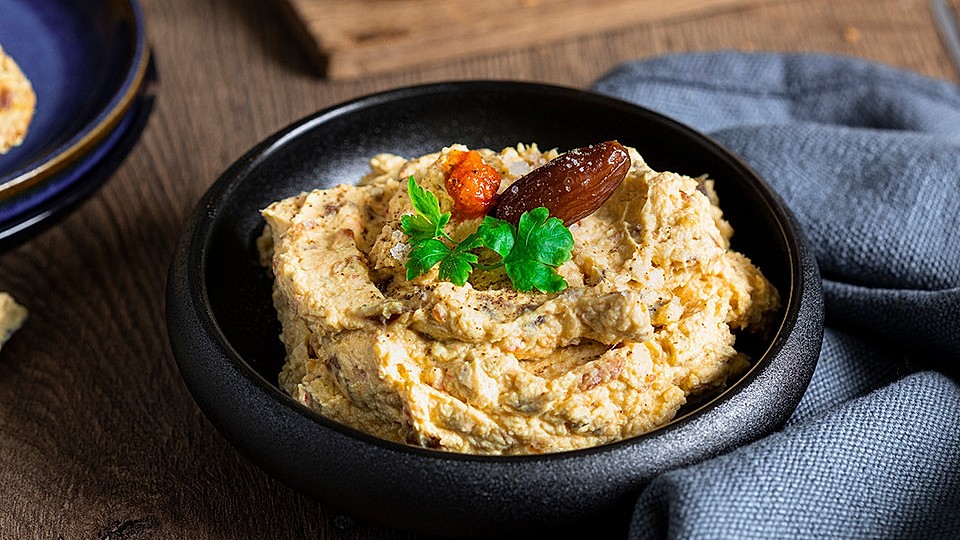
Datteldip: Die heißgeliebte Creme für Baguettes
Ein Datteldip ist eine köstliche Ergänzung zu Baguettes und anderen Brotwaren. Diese cremige Mischung aus Datteln und Gewürzen verleiht Ihren Snacks eine einzigartige Geschmacksrichtung. Der Datteldip ist so vielseitig und kann als Brotaufstrich oder Dip verwendet werden. Hier ist ein einfaches Rezept, um diesen beliebten Dipp zuzubereiten. Datteldip Menge: Für etwa 4 Personen Kalorien pro…
-
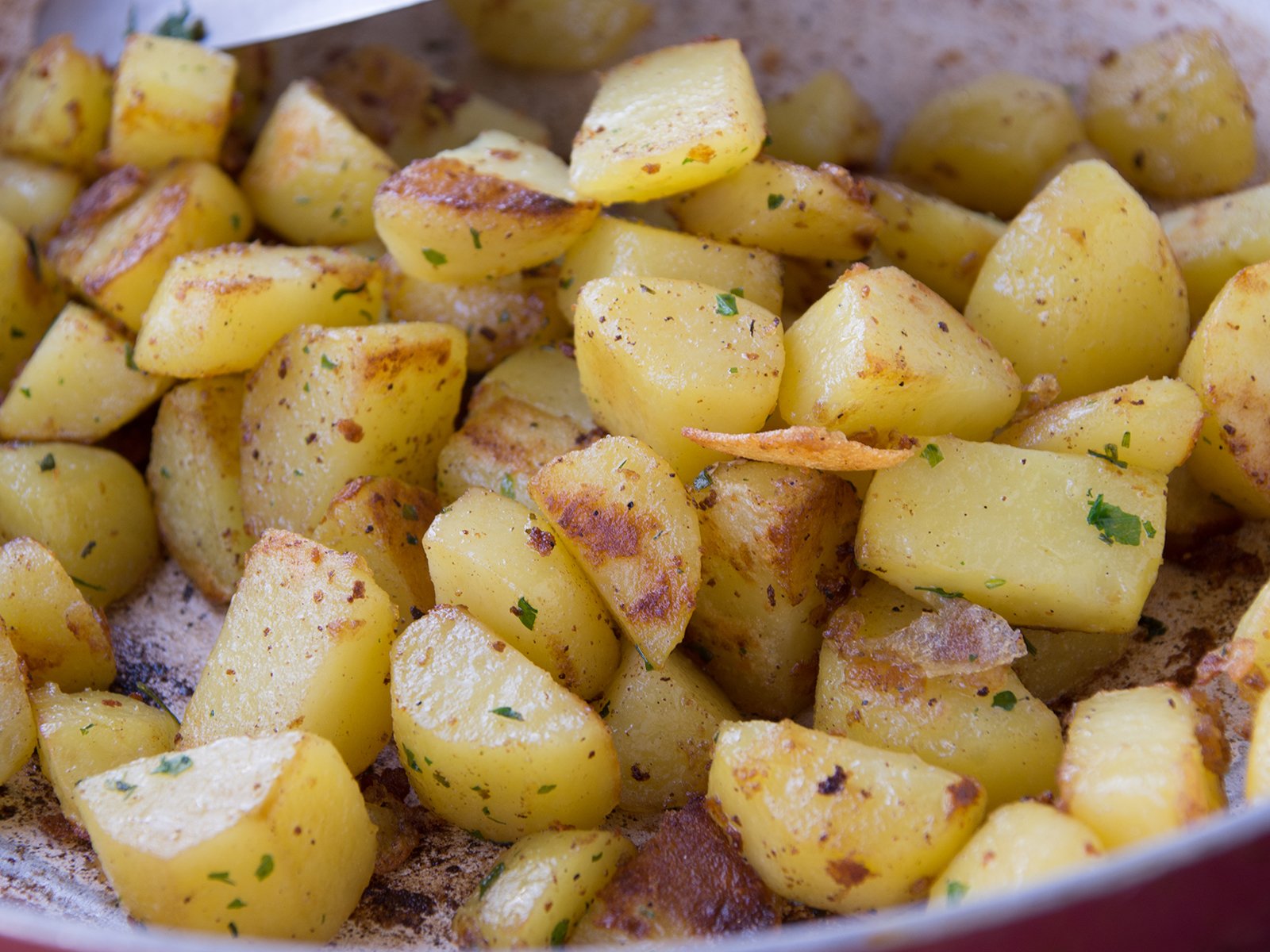
Geröstete Pfannenkartoffeln – Ein Leckeres Rezept
Geröstete Pfannenkartoffeln sind immer eine beliebte Wahl, wenn es um einfache und köstliche Gerichte geht. In dieser Gerösteten Pfannenkartoffeln-Version werden die Aromen von Kartoffeln und Pilzen kombiniert, um ein herzhaftes und befriedigendes Gericht zu zaubern. Die Zubereitung ist einfach und schnell, perfekt für ein Abendessen unter der Woche. Geröstete Pfannenkartoffeln Menge: 2 Kalorien pro Portion:…
-
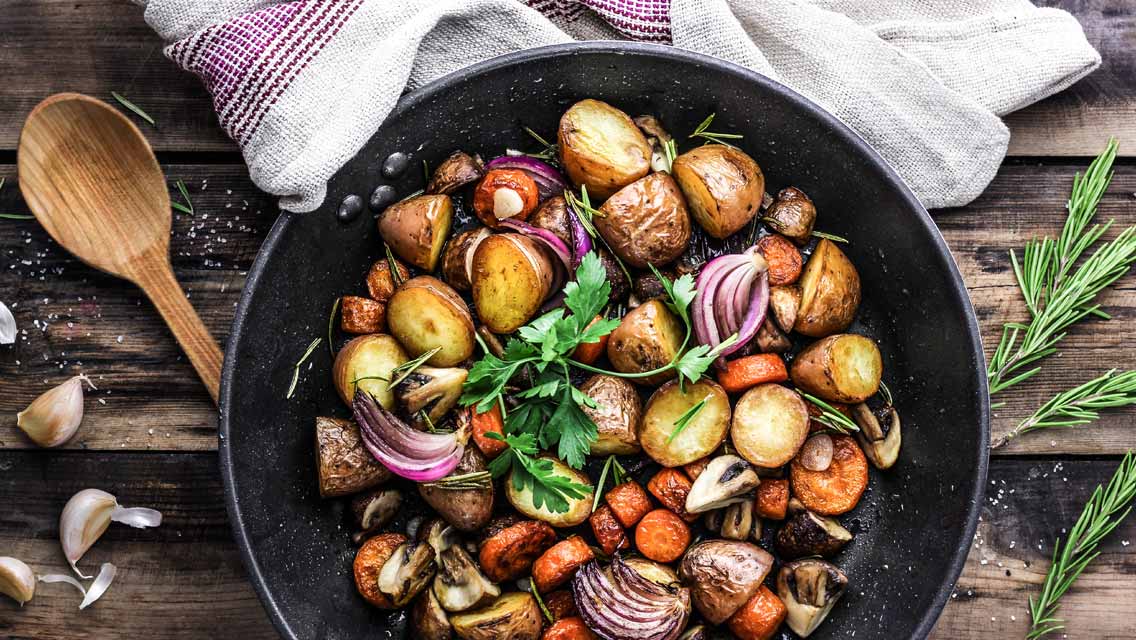
Kartoffel-Pilz-Pfanne – Ein leckeres Rezept
Kartoffelpfannen sind immer eine beliebte Wahl, wenn es um einfache und köstliche Gerichte geht. In dieser Kartoffel-Pilz-Pfanne werden die Aromen von Kartoffeln und Pilzen kombiniert, um ein herzhaftes und befriedigendes Gericht zu zaubern. Die Zubereitung ist einfach und schnell, perfekt für ein Abendessen unter der Woche. Kartoffel-Pilz-Pfanne Menge: 2 Kalorien pro Portion: 480kcal Gesamtzeit: 25…
-
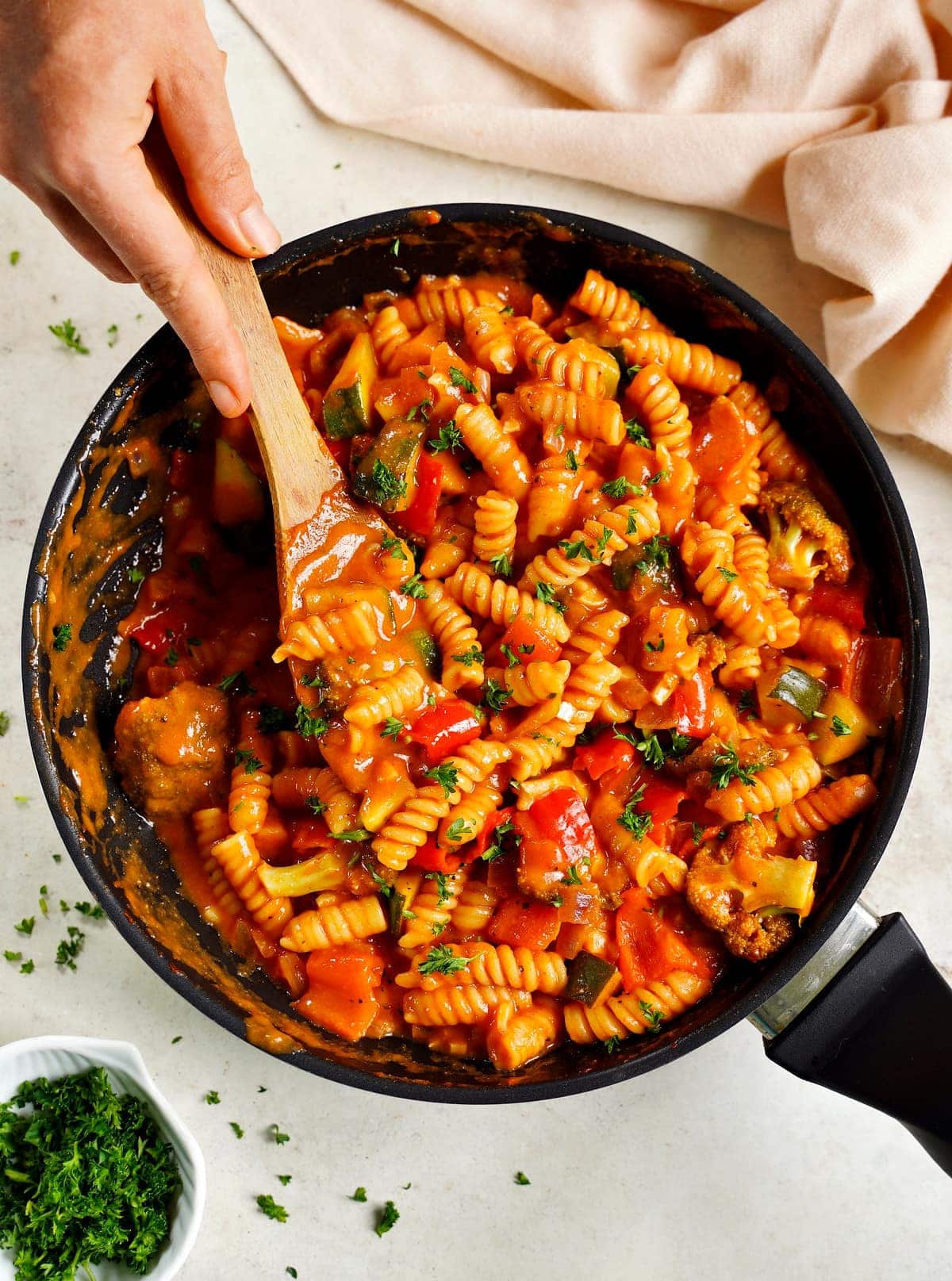
BOMBASTISCHE ONE POT PASTA MIT CURRY IN TOMATEN-SAHNE-SOSSE
Schon beim Bild läuft einem das Wasser im Mund zusammen! Du stehst auf One Pot Pasta? Dieses Gericht ist der absolute Hammer! Diese One Pot Pasta ist einer meiner ersten Varianten. Zu dem Zeitpunkt gabs wöchentlich irgendein Gericht mit Curry, da hatte ich so n kleinen Asia-Trip 😊. Aber dadurch entstand auch dieses fruchtig-scharfe Rezept…
-

PFANNENLASAGNE – EINE GENIALE ALTERNATIVE
Dir dauert es zu lange eine originale Lasagne zu machen? Schicht für Schicht und ewiges köcheln auf dem Herd? Dann schau Dir mal dieses Rezept an! Lasagne ist eins meiner liebsten Gerichte. So köstlich die Kombi aus Hackfleisch und Teig auch ist, so aufwendig ist auch die Zubereitung. Aber es geht auch einfach mit dieser…
-
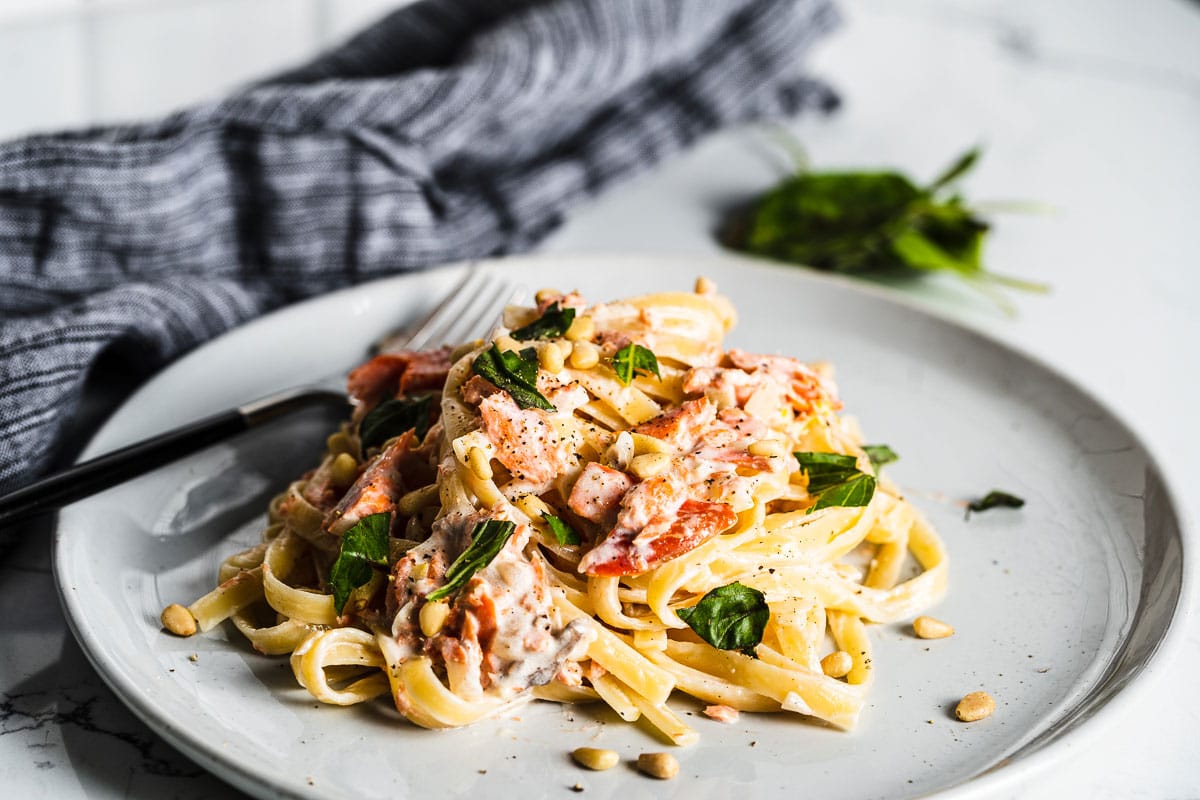
CREMIGE SCHUPFNUDELN MIT KÖSTLICHEM RÄUCHERLACHS – SEELENFUTTER FÜR DIE GANZE FAMILIE
Fisch ist ja nicht bei jedem beliebt aber in dieser Kombi wird keiner mehr nein sagen können. Köstliche Schupfnudeln treffen auf Lachs-Sahnesoße und schmeckt einfach bombastisch. Einfach ein großer Genuss! Anders kann man dieses Gericht nicht beschreiben. Schupfnudeln sind ja sowieso mein großer Favorit und Pflicht im Kühlschrank. Dazu lässt sich so gut wie alles…
-
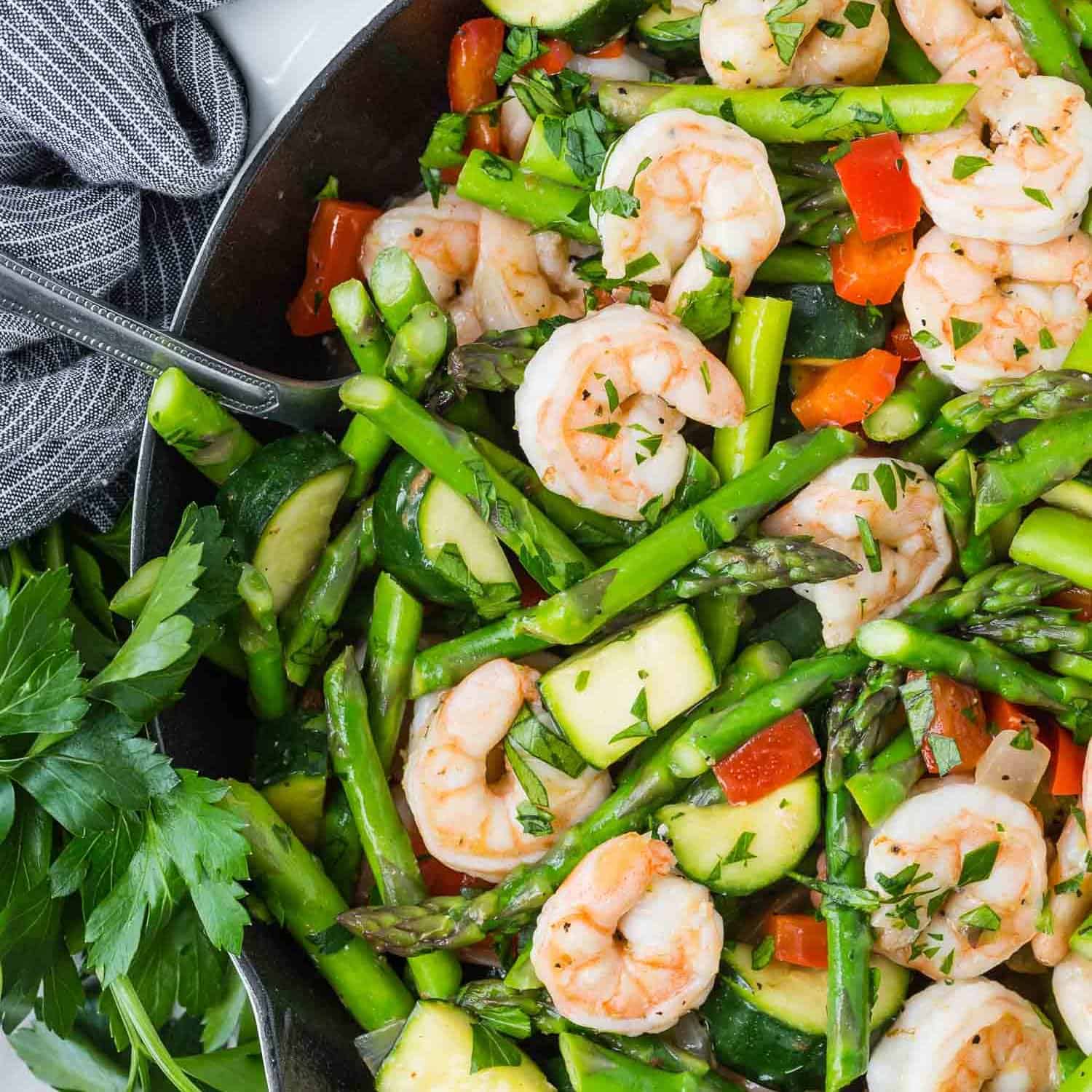
BUNTE GEMÜSEPFANNE MIT GARNELEN – EIN GROSSARTIGES LOW CARB GERICHT
Du liebst Low Carb? Dann ist das hier genau das Richtige für Dich! Es gibt einen riesigen Berg Gemüse und dazu mindestens genauso viele köstliche Garnelen. Ganz kalorienfreundlich wird das Gericht ohne Sahne gekocht und mit frischem Thymian bekommst Du einen großartigen Geschmack und sogar etwas Urlaubsfeeling. Frisches Gemüse wie Tomaten, Paprika und Zucchini und…
-

KÖSTLICHER AUFSTRICH MIT GARNELEN & SURIMI
Du bist auch von Wurst und Käse am Frühstückstisch gelangweilt? Wie wäre es mal mit einem schnellen, leckeren Aufstrichen mit Garnelen und Surimi? So kommt Abwechslung auf den Teller. Bei uns sind Aufstriche fürs Brot Pflicht am Frühstückstisch. Ich finde Käse und Co. einfach langweilig und brauche da häufig eine Abwechslung. Der Markt gibt natürlich…
-

DSL Tarife by 1&1 / DSL Angebot
1&1 bietet eine umfangreiche Auswahl an DSL-Angeboten, die für verschiedene Bedürfnisse und Präferenzen konzipiert sind. Kunden können zwischen verschiedenen Tarifen wählen, die hohe Flexibilität und attraktive Konditionen bieten. DSL-Tarife von 1&1 1&1 DSL-Tarife bieten eine Bandbreite an Optionen: DSL 16: Der Basis-Tarif mit bis zu 16 MBit/s im Download ist ideal für Wenignutzer, die hauptsächlich…
Got any book recommendations?